



South Africa
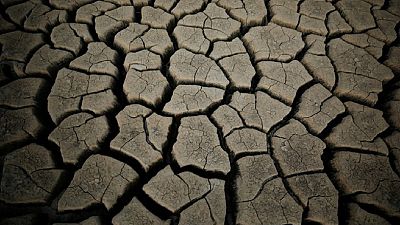
South Africa’s drought-stricken Cape Town has pushed back its estimate for “Day Zero,” when taps in the city run dry and people start queuing for water, to 2019 from August of this year, and data show dam levels rising elsewhere in the country.
An El Nino-triggered drought two years ago hit agricultural production and economic growth throughout South Africa.
Cape Town was particularly hard hit, and lack of good subsequent rains around the city has made its water shortage worse.
The City of Cape Town said on its web site that Day Zero had been “pushed out to 2019.”
Residents have been living with stringent consumption restrictions, which now stand at 50 litres per person per day. Those restrictions remain in effect.
Relief for Cape Town, a major tourist draw famed for its mountain backdrop, beaches and nearby wine farms, may also be imminent, with good seasonal rains forecast.
Cape Town typically gets rain in the southern hemisphere winter, starting around May.
Above-average-rainfall is now forecast over the next three months, according to the latest seasonal outlook from the South African Weather Service.
REUTERS



01:08
Former South African president Jacob Zuma returned to court on Thursday, alongside French arms manuf
01:00
2027 Rugby World Cup: Springboks and All Blacks set for quarterfinal showdown
01:48
Zuma’s daughter resigns amid claims South Africans were lured into Ukraine War
01:18
World marks International Day for the Elimination of Violence against Women and Girls
02:43
"Tamujuntu": where South Africa and Brazil meet in dance
01:00
Pix of the Day: November 24, 2025